
Building a rainbow connection between Leeds and Oeiras
- Global Leeds
- Jul 17, 2025
- 2 min read

Last week, we held the first event for the new Council of Europe-funded Rainbow Connections project that Leeds is running in partnership with Oeiras in Portugal.
The project involves the two local authorities working with their LGBT+ staff and local non-governmental organisations in a series of awareness-raising sessions bringing together LGBT+ people and the wider community.
The first session brought together 15 people, drawn from each city, to share their experiences of what Leeds and Oeiras are like to live and work in for LGBT+ people.

Members of the Leeds City Council's LGBT+ Staff network talked about the network, how it was originally set up, how it operates today, and its vision for the future.
There is currently no staff network for municipal staff in Oeiras, and there was a lively discussion about how to set up a network from scratch - particularly while respecting that many LGBT+ people will not necessarily be comfortable being 'out' at work.
Both cities also exchanged examples of how they support a better understanding of LGBT+ people and their identities, including involvement in public events, such as Pride parades, International Day against Homophobia, Biphobia and Transphobia, or public art, such as Leeds's Rainbow bridge and Oeiras's popular rainbow-painted 'Equality Benches'.
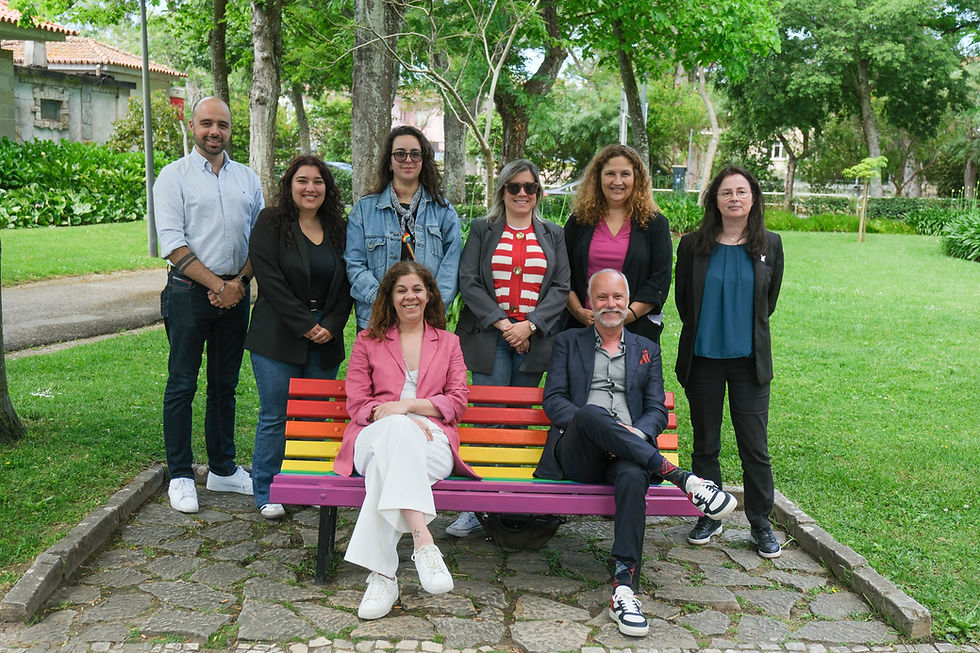
As part of the Rainbow Connections Project, both cities will be developing a training manual on how cities can improve understanding and support better conversations about LGBT+ identities within their workforces and the wider community.
The Council of Europe's Intercultural Cities Programme supports cities and regions in reviewing and adapting their policies through an intercultural lens and developing comprehensive intercultural strategies to manage diversity as an advantage for the whole society. Leeds has been a member of Intercultural Cities since 2019.
The Council of Europe is a pan-European international organization focused on promoting human rights, democracy, and the rule of law across the continent. It's not part of the European Union, although it shares some member states. Established in 1949, it has 46 member states. The UK is a founding member.


Comments